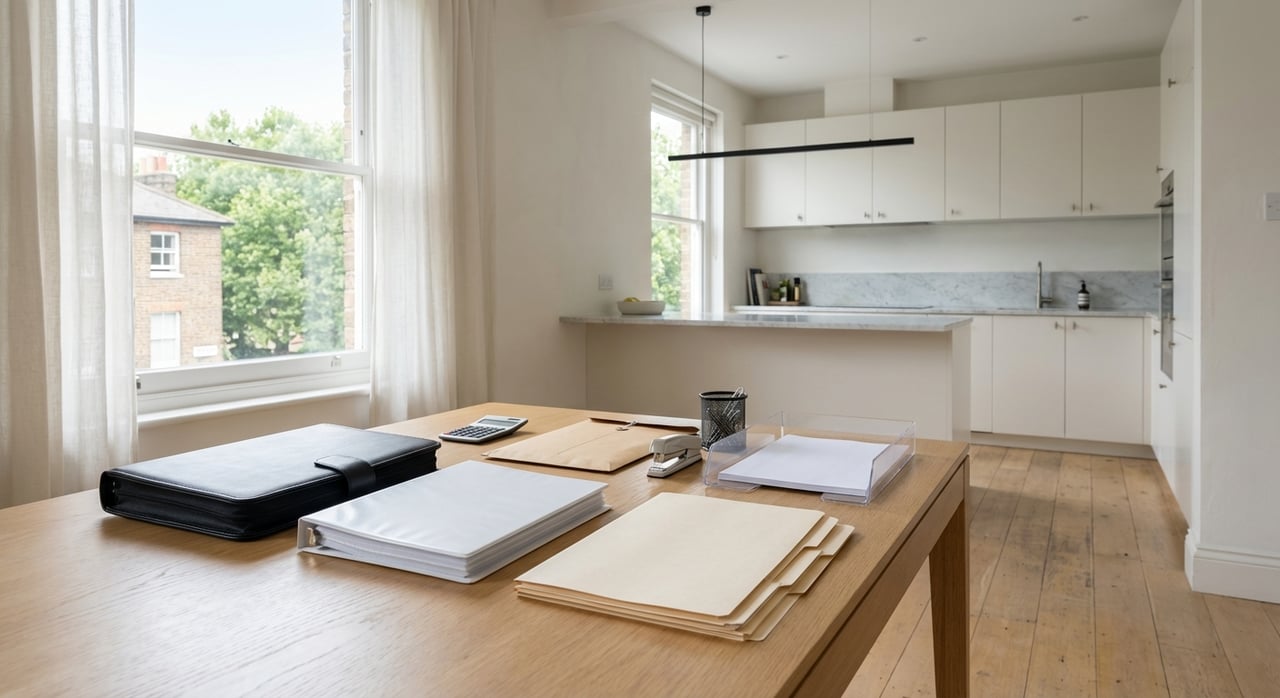
Buying a co-op in Queens can feel straightforward until you hit the board package. That packet is the key to approval, and it is often where buyers get slowed down. You want to show strong finances, a clean and consistent story, and respect for the building’s rules. In this guide, you’ll learn exactly what a board package is, what most Queens co-ops ask for, the financial benchmarks that matter, timelines and interviews, and how to prepare a clean, board-ready file. Let’s dive in.
What a Queens co-op board package is
When you buy a co-op, you are purchasing shares in a corporation and receiving a proprietary lease, not a deed. The board reviews buyers to protect the building’s finances and community. So they ask for a detailed package of financial, identity, and reference materials to evaluate your application. For a helpful overview of why boards review buyers and how the process works, see this summary of the co-op board approval process.
Two important notes for Queens buyers:
- Requirements vary widely by building. Always request and follow the exact building checklist first. A local guide on Queens co-ops underscores this point: check the official list and format before you begin. Review this reminder to start with the building’s checklist.
- New York City’s Fair Chance for Housing law (effective Jan 1, 2025) limits when a board can consider criminal history. Most checks can occur only after conditional approval and must follow strict notice and review steps. Learn more from the City’s Fair Chance in Housing resource.
What buildings typically ask for
Boards and management companies use their own forms and instructions. Many still ask for tabbed hard copies, while others accept one organized, bookmarked PDF. Follow the building’s order and naming rules.
Core transaction and ID items
- Fully executed purchase contract and proof of deposit
- Government-issued photo ID and Social Security number (for vendor credit and background checks)
- Any requested proprietary lease or stock certificate references
- Building application forms and authorizations
A practical document list that mirrors common NYC practice appears in this co-op board package checklist.
Financial documents boards expect
- Personal financial statement (often the REBNY form)
- Federal tax returns, usually 2 years
- W-2s, 1099s, or K-1s as applicable
- Recent pay stubs, typically 2 to 3 months
- Bank and brokerage statements, usually 2 to 3 months, showing down payment and reserves
- Mortgage pre-approval or commitment letter, if financing
- Retirement or investment statements, noting that some boards discount retirement assets
If you are self-employed
- Year-to-date profit and loss statement
- Business tax returns
- A CPA letter that summarizes income and stability is often requested. See examples in this board package guide.
References and background
- Employer verification letter
- Two to four professional or personal reference letters
- Landlord or prior co-op or condo references when relevant
- Authorization for credit and background checks
- Written explanations for any past credit issues
Supporting items that can help
- Short purchaser bio or cover letter (1 to 2 pages) focused on fit and stability
- Pet documentation if applicable (vaccination, breed, weight per building rules)
- Gift letter plus donor statements when using gifted funds
- Entity or trust documents if purchasing via an LLC or trust
Administrative details and fees
- Completed managing agent forms and vendor authorizations
- Application and processing fees, which are often non-refundable and can be in the hundreds
- Specific copy or PDF formatting requirements, sometimes including tabs or bookmarks
The key financial benchmarks boards look for
While every building sets its own standards, these ranges are common across Queens and NYC.
Down payment expectations
Many boards view 20 to 25 percent down as the baseline, and numerous buildings prefer 25 percent or more. Conservative or luxury co-ops may ask for 30 to 50 percent, or even all cash. These ranges are widely reported in NYC co-op guides such as this summary of down payment norms.
Debt-to-income ratio (DTI)
Boards often look for total DTI, including mortgage, maintenance, and other debt, around 25 to 30 percent. Some conservative buildings aim even lower. See DTI expectations in the same financial benchmarks overview.
Post-closing liquidity (reserves)
A common expectation is 12 to 24 months of mortgage plus maintenance available after closing. Many boards prefer closer to 18 to 24 months. Some do not count retirement accounts as liquid. For definitions and examples, review this overview of post-closing liquidity.
Why board standards matter
Co-op shareholders are jointly responsible for the building’s financial health, so boards screen to reduce default risk. Remember that lender approval and board approval are separate. Lenders review you and the building for their own standards, which can differ from board expectations. For more on lender project requirements, see Fannie Mae’s co-op project guidance.
Financing quirks with co-ops
- Not all lenders do co-op share loans. Lenders also assess the building’s reserves, insurance, and other factors under agency or portfolio rules. See lending requirements in Fannie Mae’s co-op guidance.
- Some buildings are non-warrantable due to factors like low owner occupancy or litigation. These may require portfolio lenders with different rates and lower maximum loan-to-value. Learn the basics of non-warrantable co-ops.
- Guarantors and co-purchasers are building-specific. Many co-ops limit or discourage guarantors and will require full financials if allowed. Confirm the policy before you make an offer.
- HDFC and other special-status co-ops can include extra eligibility rules. If you are considering an HDFC, consult early about program requirements and documents. A helpful starting point is UHAB’s co-op resources.
Interview and timeline: what to expect
How the interview works
Most interviews last 15 to 45 minutes, often around 20 to 30, with a small panel of board members and sometimes the managing agent. Expect questions that confirm your package, work, and plans for the home. Keep answers short, consistent with your documents, and polite. See a clear overview of the interview format in this NYC co-op board process guide.
Who attends and what to bring
Buyers, co-buyers, and sometimes guarantors and occupants should attend. Your agent often joins. Bring photo ID and be ready to summarize key details. The board will have your package.
Realistic timing in Queens
- Package preparation: about 1 to 3 weeks, depending on how organized you are and whether you are self-employed or foreign.
- Board review and interview scheduling: 2 to 6 weeks is common because many boards meet monthly. Learn why scheduling can stretch in this note on board interview timing.
- Final approval: often within a few days to 2 weeks after the interview. Overall, many Queens buyers see roughly 4 to 10 weeks from contract to board approval, with slower buildings taking longer.
Fair Chance timing changes
Because criminal history checks must occur only after conditional approval and with specific notices, some boards now shift when vendor background checks occur. This can change the order of items in your application. You can review the City’s guidance on Fair Chance in Housing.
Your action plan: a prep checklist
Ask for the building’s exact checklist the moment your contract is signed. Follow its order and formatting rules exactly. A Queens-focused overview stresses starting with the building checklist.
Gather the standards first: IDs, signed contract, financial statement, 2 years of tax returns, recent pay stubs, 2 to 3 months of bank and brokerage statements, and a mortgage pre-approval if financing.
If self-employed or foreign, request a CPA letter and year-to-date P&L early. Translated and attested documents can take extra time. For examples, see this practical board package checklist.
Verify what the building counts as “liquid.” Some boards do not count 401(k)s or discount them. If your numbers are close, ask the managing agent what is acceptable. For definitions and examples, review post-closing liquidity basics.
Pay application and screening fees as instructed and keep receipts. These fees are typically non-refundable and often in the hundreds. Confirm exact amounts with the managing agent.
Review your package with your agent and attorney for consistency. Numbers should match across the financial statement, tax returns, and bank statements.
Build time into your contract for board approval. Interview schedules are outside your control. See why boards often need extra time to meet and vote in this note on interview scheduling.
Common pitfalls to avoid
- Inconsistent numbers across your financial statement, bank statements, and tax returns
- Insufficient post-closing liquidity or a high DTI relative to building norms, as outlined in this benchmark overview
- Waiting too long to request reference letters
- Assuming mortgage approval guarantees board approval. Lenders and boards are separate gates, and boards may ask for additional proof. See lender project rules in Fannie Mae’s co-op guidance.
- Skipping a policy check on guarantors, pets, subletting, or alterations before you sign
How a local team helps you win
A Queens-focused agent helps you secure the correct checklist, spot building-specific expectations, organize your packet, and prep you for the interview. A strong lender confirms whether the building is financeable under agency or portfolio rules and delivers the commitment documents boards expect. Your attorney protects you at contract, ensures the board-approval contingency is sized right, and coordinates closing deliverables.
If you want a second set of eyes on your numbers or help assembling a board-ready package, we are here to guide you from offer to approval to closing. Reach out to Marty Vandenburg for step-by-step support tailored to Queens co-ops.
FAQs
What is a Queens co-op board package and why is it required?
- It is a detailed application that shows your finances, identity, references, and background so the co-op board can assess financial stability and community fit, as outlined in this board approval overview.
What financial benchmarks do Queens co-ops commonly expect?
- Many buildings look for 20 to 25 percent down, a total DTI near 25 to 30 percent, and 12 to 24 months of post-closing reserves, with stricter buildings asking for more, per this NYC co-op benchmark guide.
What counts as “liquid” for post-closing reserves in Queens?
- Liquid assets are typically cash and easily accessible funds, and some boards exclude or discount retirement accounts, so confirm with the managing agent; see examples in this liquidity explainer.
How long does Queens co-op board approval take?
- Expect roughly 4 to 10 weeks from contract to board approval, with package prep, board review, interview scheduling, and final vote affecting timing, as noted in this scheduling overview.
What happens in a Queens co-op board interview?
- Most interviews last 15 to 45 minutes with a small panel that confirms your application; be concise, consistent, and polite, as explained in this interview guide.
How does the Fair Chance for Housing law affect my application?
- Boards generally cannot consider criminal history until you are conditionally approved and must follow notice and review rules, which can shift when checks occur; review the City’s Fair Chance guidance.