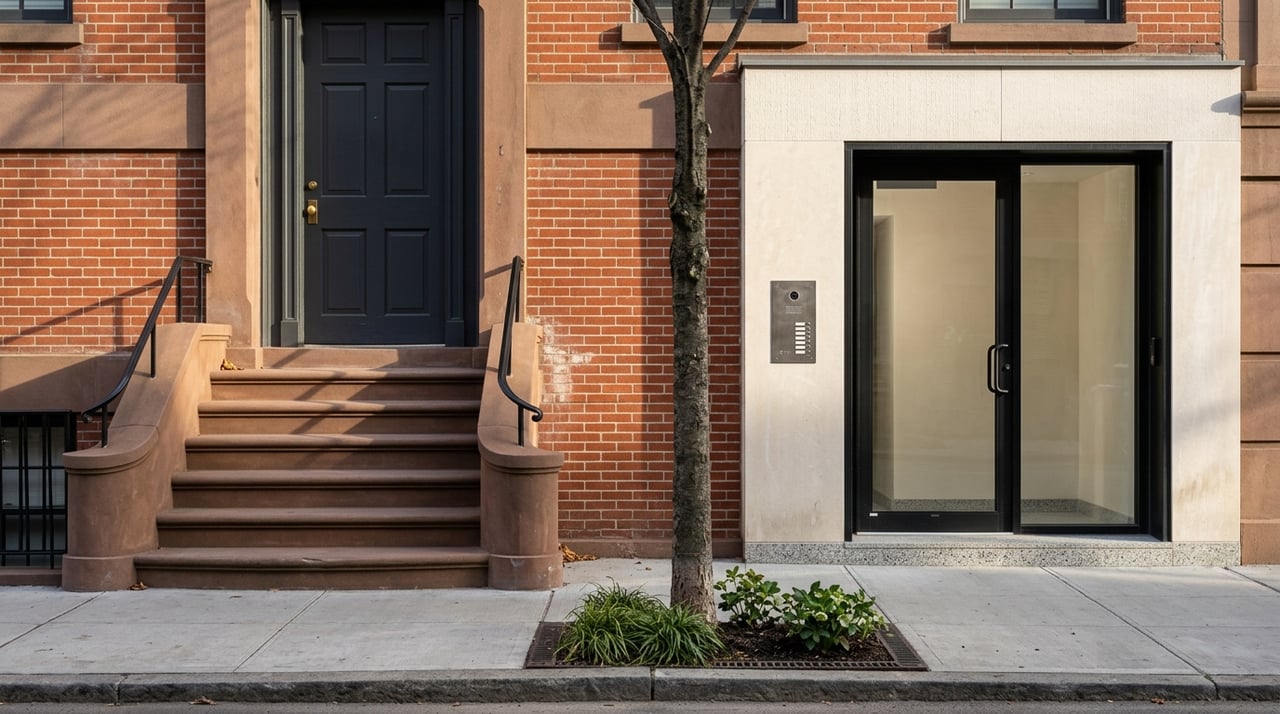
If you are torn between a Brooklyn brownstone, a condo, and a new build, you are not just choosing a look. You are choosing how much space you control, how much upkeep you handle, and how your monthly costs may work in Kings County. That can feel exciting and overwhelming at the same time, especially when each option offers a very different ownership experience. This guide will help you compare the tradeoffs clearly so you can move forward with more confidence. Let’s dive in.
What These Property Types Mean
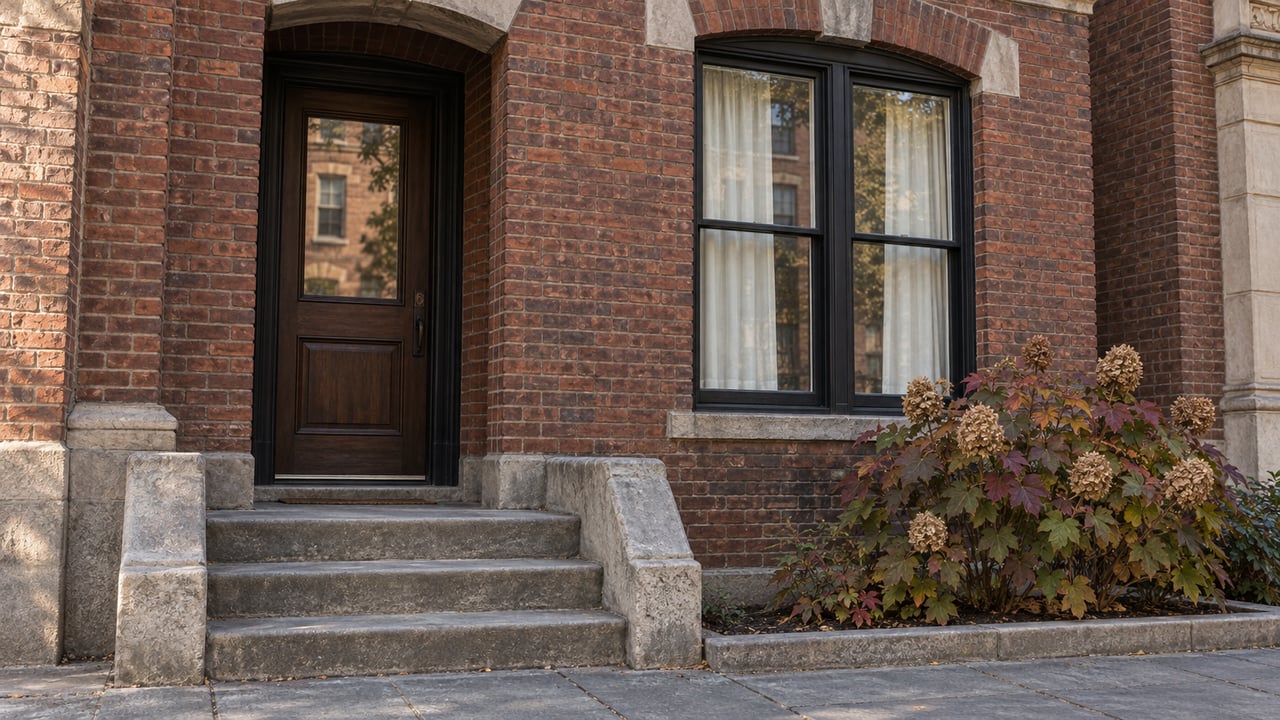
In Brooklyn, a brownstone usually refers to a historic rowhouse. New York City preservation materials describe rowhouses as a common housing type in many historic districts, including areas of Bedford-Stuyvesant, Sunset Park, Bushwick, and Flatbush. These homes are often narrow and vertical, with a stoop, a rear yard, and shared party walls.
A condo is different because you own your individual unit and also share an undivided interest in the building’s common elements. That usually means you have personal ownership inside your home, while the building exterior and shared spaces are managed through an association or board. In exchange, you typically pay monthly condo or HOA fees.
A new build in Brooklyn is often a newly constructed condo or a converted unit sold under an offering plan. In New York, the offering plan is the key document because it defines what the sponsor is required to deliver. That includes details like unit size, finishes, amenities, and other promised features.
Brownstone Living In Brooklyn
Brownstones often appeal to buyers who want architectural character and a more private townhouse feel. The traditional rowhouse layout can give you a different day-to-day experience than apartment living, with space spread across multiple levels and outdoor areas at the front or rear. For some buyers, that layout feels more personal and flexible.
The tradeoff is responsibility. If you buy a classic brownstone, you usually take on direct responsibility for the building itself. That can include repairs, exterior maintenance, and longer-term building care.
If the home is landmarked, exterior changes may also require review by the New York City Landmarks Preservation Commission. Landmark status does not freeze the property, and ordinary exterior repairs or most interior work generally do not need approval, but it does add another layer when you want to change certain exterior elements. Owners are also expected to keep the property in good repair.
Condo Ownership In Kings County
A condo can be a strong fit if you want a clearer split between your home and the building’s shared responsibilities. In most cases, the association or board handles common areas and exterior maintenance, and your monthly fees help fund that work. Those fees may also support reserves or insurance, depending on the building.
That setup can mean less hands-on upkeep than a brownstone, but it does not mean no responsibility. Condo living comes with building rules, shared governance, and the possibility that building-wide decisions can affect your costs. In some communities, owners may also face special assessments.
Condos can also require a deeper review during the financing process. Lenders may look not only at your finances, but also at the condo community’s condition, financial stability, debts, lawsuits, inspections, and assessments. That is one reason condo purchases can feel a little more layered than buying a standalone home.
What Makes New Builds Different
New builds often attract buyers who want newer finishes, more standardized systems, and amenities spelled out in writing. On paper, they can feel more predictable because the offering plan outlines what the sponsor must deliver. That can include appliances, common areas, amenities, and other project details.
Still, it is important not to rely on renderings or sales talk alone. In New York, the Attorney General makes clear that the offering plan, not brochures or verbal promises, controls the sponsor’s obligations. If you are considering a new build, this document is one of the most important parts of your review.
There can also be warranty protections. For newly constructed homes of five stories or less, New York’s Housing Merchant Limited Warranty Law provides one year of coverage against most defects, two years for mechanical systems, and six years for structural defects. That does not replace due diligence, but it can be an important part of the ownership picture.
Maintenance And Renovation Tradeoffs
One of the biggest questions is how much maintenance you want to manage yourself. A brownstone gives you more direct control over the property, but that also means you carry more of the repair burden. Older buildings can have hidden issues, and repair costs may show up in the roof, facade, plumbing, electrical systems, or boiler.
A condo shifts more of that upkeep into shared management. Instead of arranging every exterior repair yourself, you are contributing through monthly fees and relying on the building’s governance and financial planning. That can be appealing if you prefer a more managed ownership experience.
With new builds, the focus often shifts from old-house maintenance to construction quality and disclosure. Even in a new property, buyers should review what is actually promised and what systems, finishes, and amenities are included. New does not mean risk-free, so careful document review still matters.
Monthly Costs Matter More Than Style
In Kings County, the smartest comparison is usually not just purchase price. It is the full monthly carrying cost. That means looking at your mortgage payment, property taxes, condo or HOA dues if applicable, mortgage insurance if required, and other recurring ownership costs.
For condos, monthly dues are usually paid separately from the mortgage. Those fees can range from a few hundred dollars to more than one thousand dollars per month, so they need to be part of your real budget from the start. A lower purchase price can still lead to a higher-than-expected monthly payment if the dues are significant.
Mortgage insurance can also change your numbers. If your down payment is under 20 percent on a conventional loan, mortgage insurance is typically required. FHA and USDA loans also include mortgage insurance costs.
When you compare options, make sure your lender has the full picture. Accurate estimates depend on sharing property taxes and any condo or HOA dues. Looking only at principal and interest can make one property seem more affordable than it really is.
Brooklyn Tax Class Differences
Property taxes in New York City can behave very differently depending on the type of property. Many one- to three-family brownstones fall into tax class 1, while most condos fall into tax class 2. Some small condos that are not more than three stories can also be class 1.
That distinction matters because the tax classes use different assessment methods. Class 1 uses a 6 percent assessment ratio and assessment caps, while class 2 uses a 45 percent ratio and transitional assessed values. In practical terms, a brownstone and a condo with similar price points can still have very different tax behavior.
This is one of the most important reasons to compare actual property tax figures, not assumptions. In Brooklyn, the ownership math may look very different once tax class is part of the conversation.
Closing Costs To Plan For
Closing costs can affect all three property types in Kings County. In New York City, buyers may encounter the mortgage recording tax when a mortgage is recorded. Sales can also involve the New York City real property transfer tax on sales over $25,000 and the New York mansion tax of 1 percent on residences priced at $1 million or more.
These costs are easy to underestimate when you are focused on down payment and monthly payment. If you are comparing a brownstone, condo, and new build, include closing costs in your side-by-side review so you know what cash you will need at the finish line.
How To Choose The Right Fit
If you love historic character and want more direct control, a brownstone may be the better fit. You may enjoy the privacy, layout, and individuality, but you should also be ready for more hands-on maintenance and, in some cases, landmark-related review for exterior changes.
If you want lower-maintenance living and a clearer division between your home and the building’s responsibilities, a condo may make more sense. You will likely trade some control for shared services, monthly fees, and board governance.
If you want newer finishes and a more defined package of features, a new build may be worth a closer look. Just make sure you review the offering plan carefully, understand the warranty framework, and evaluate the real monthly carrying costs.
A helpful way to decide is to ask yourself three questions:
- How much maintenance do you want to handle yourself?
- How much renovation or exterior control do you want?
- What full monthly payment feels comfortable for your budget?
When you answer those questions honestly, the right path often becomes much clearer.
If you are weighing brownstones, condos, or new construction in Brooklyn, working with a local advisor can help you compare the details that do not always show up in a listing photo. Marty Vandenburg can help you sort through costs, ownership tradeoffs, and the buying process across Kings County with a clear, client-first approach.
FAQs
How is a Brooklyn brownstone different from a condo?
- A brownstone usually gives you direct ownership and responsibility for the full building, while a condo gives you ownership of your unit plus a shared interest in common areas managed by an association or board.
How do condo fees affect a Kings County monthly payment?
- Condo or HOA fees are usually separate from your mortgage payment, and they can add a few hundred to more than one thousand dollars per month to your total housing cost.
How do landmark rules affect a Brooklyn brownstone owner?
- If a brownstone is landmarked, many exterior changes require approval from the Landmarks Preservation Commission, although ordinary exterior repairs and most interior work generally do not require that approval.
What does a New York offering plan guarantee in a new build?
- The offering plan defines what the sponsor must deliver, including details like unit size, finishes, amenities, and other promised features, rather than brochures or verbal statements.
How do Brooklyn property taxes differ between brownstones and condos?
- Many one- to three-family brownstones fall into tax class 1, while most condos fall into tax class 2, and those classes use different assessment methods that can lead to different tax outcomes.
What closing costs should Brooklyn buyers expect across property types?
- Depending on the transaction, buyers may need to plan for costs such as the mortgage recording tax, New York City real property transfer tax, and mansion tax on residences priced at $1 million or more.