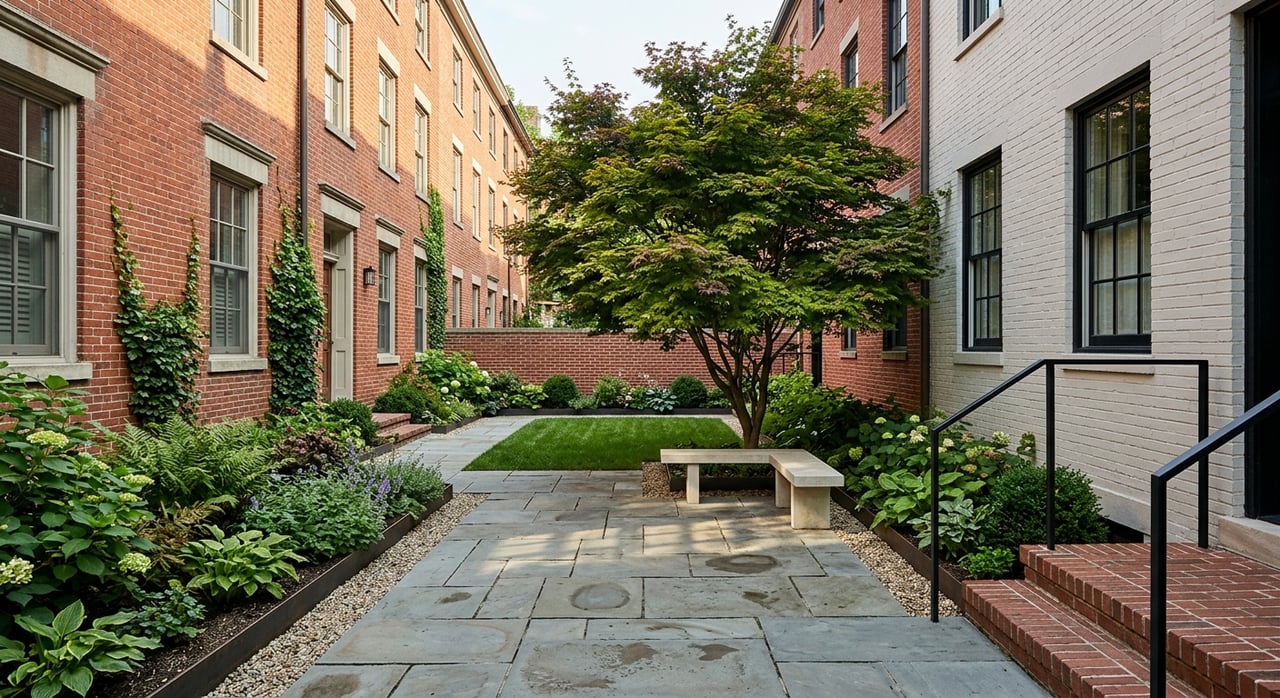
If you think finding a quiet patch of nature in Queens means planning a full-day trip, think again. This borough has more tucked-away green spaces than many people realize, from wooded trails and wetland preserves to waterfront walks and small neighborhood parks that fit easily into your routine. Whether you want a peaceful morning walk, a place to bring the kids, or a break from busy streets, Queens offers more options than the headline parks alone. Let’s dive in.
Why hidden green spaces matter in Queens
Queens is uniquely positioned for this kind of local escape. NYC Parks stewards more than 30,000 acres citywide, including community gardens and Greenstreets, while the Forever Wild program protects more than 12,400 acres of natural areas across 135 parks.
That means your options go far beyond open lawns and playgrounds. In Queens, you can find wetlands, forests, ponds, shoreline paths, and small community spaces that feel personal and easy to revisit.
Quiet nature parks worth knowing
Alley Pond Park
Alley Pond Park is one of the strongest examples of hidden nature in Queens. It is the borough’s second-largest park, and its north end includes the 150-acre Alley wetland.
NYC Parks lists forest, salt marsh, freshwater wetland, grassland, and stream habitats here, with a natural-area footprint of 530.4 acres. If you like hiking, birdwatching, or simply being surrounded by more than one kind of landscape, this is a standout choice.
Cunningham Park Preserve
If you want a more wooded, tucked-away experience, Cunningham Park Preserve deserves a spot on your list. Its Forever Wild preserve covers 240 acres and includes forest habitat, vernal pools, and kettle ponds.
NYC Parks describes the Southern Forest here as one of the city’s most undisturbed natural areas. For practical access, public transit options include the E or F to Union Turnpike and then the Q46 bus, or the LIRR to Jamaica Station and then the Q44 bus.
Captain Tilly Park
Captain Tilly Park shows how a smaller park can still feel like a true escape. NYC Parks describes it as quiet and somewhat hidden, with mostly woodland surroundings centered on Goose Pond.
You will also find turtles, ducks, fish, a play area, and public restrooms. That mix makes it especially useful when you want a calm setting without giving up basic convenience.
Calm parks for everyday use
Kissena Park and Kissena Corridor
Kissena Park is ideal if you want something greener and calmer without heading deep into a preserve. The park includes Kissena Lake, a historic tree grove, walking and bicycling greenway access, a velodrome, golf, playgrounds, tennis, and handball courts.
The nearby Kissena Corridor extends that sense of space. NYC Parks notes that the park and corridor create a continuous green connection toward Cunningham Park and Flushing Meadows Corona Park, and the corridor includes a reforested stretch plus a meditation garden near 56th Avenue and 141st Street.
Bowne Park
Bowne Park offers a more neighborhood-scale version of a quiet green escape. In Flushing, it features a pond, bocce court, large trees, playgrounds, restrooms, and spray showers.
It works well for a short walk, a casual sit by the water, or an easy stop with children. It is the kind of park locals return to often because it fits into everyday life.
Juniper Valley Park
Juniper Valley Park is another local favorite that blends green space with daily routine. NYC Parks lists senior fitness programming, a dog association, and track-and-field capital work here.
If your ideal park visit involves walking laps, getting outside after work, or bringing your dog along, this park has a practical, lived-in appeal. It is less about spectacle and more about reliable outdoor time.
Waterfront green spaces locals use
Gantry Plaza State Park
Gantry Plaza State Park may be well known to nearby residents, but it still feels more like a neighborhood waterfront than a major tourist stop. NYS Parks describes it as a 12-acre riverside oasis with four piers, skyline views, manicured gardens, a mist fountain, restored gantries, a fishing pier, playgrounds, basketball and handball courts, and dog runs.
It is open daily from dawn to dusk. Leashed dogs are allowed on paved pathways and in the dog runs during posted hours, which adds to its appeal for regular neighborhood use.
Hallets Cove and the shoreline greenway
Hallets Cove is especially useful if you like green spaces that connect to a larger route. NYC Parks says the Queens East River and North Shore Greenway links Hallets Cove with Astoria Park, Queensbridge Park, Rainey Park, Socrates Sculpture Park, and Ralph DeMarco Park.
The site itself includes a canoe launch, play areas, courts, and a repaired shoreline edge. For you, the big advantage is flexibility. You can stop for a short visit or make it part of a longer walk or bike ride along the waterfront.
Bayswater Park and Arverne East Nature Preserve
For a more coastal and natural feel, Bayswater Park offers a strong option in southeast Queens. Its natural area includes trails, water access, a kayak and canoe launch, and habitats such as forest, salt marsh, grassland, and streams.
Arverne East Nature Preserve is another waterfront choice that feels quieter and more nature-focused. NYC Parks hosts ranger-led walks there centered on birds and seasonal flora and fauna, with an entrance at Beach 44th Street and the Boardwalk.
Wetlands and southeast Queens escapes
Idlewild Park
Idlewild Park adds a broader wetland experience to the list. It includes kayak and canoe launch sites, nature-center facilities, marshland restoration, and 188.2 acres of natural areas.
If you are looking for a place that feels farther removed from the pace of the city, this is a strong contender. It is especially appealing for people who enjoy shoreline ecology and open natural landscapes.
Baisley Pond Park
Baisley Pond Park is another useful reminder that hidden green space does not always mean remote. Near JFK Airport and the NYC and Nassau border, it includes tennis, handball, and basketball courts, shady picnic alcoves, and wildlife.
That combination makes it a practical choice for families, casual meetups, or a quick reset outdoors. It gives you room to relax without planning around a major outing.
Gwen Ifill Park
Gwen Ifill Park is best understood as an emerging green space rather than a finished park destination. NYC Parks describes it as a large, mostly fenced-off natural area that is home to migratory birds and currently undeveloped, with $21 million in planned capital funding.
Its location near Locust Manor station and the LIRR tracks makes it an interesting example of how ecology and transit can overlap in Queens. It is worth watching as neighborhood green space continues to evolve.
Small green escapes in dense neighborhoods
Community gardens in Queens
Some of the best hidden green spaces are the ones woven into residential blocks. NYC Parks says GreenThumb supports more than 550 community gardens citywide, making it the nation’s largest urban community gardening program.
In Queens, examples include Sparrow’s Nest Community Garden in Corona, created from an old outdoor gym, and The Garden by the Bay in Edgemere and Far Rockaway, which is presented as a community green space tied to neighborhood programming and food sovereignty. These spaces may be smaller, but they can have a big impact on daily life.
Why pocket parks matter
Not every outdoor break needs a trail map or half a day. Smaller parks, gardens, and corridor spaces often become the places you use most because they are easy to reach and easy to enjoy.
If you are exploring Queens as a buyer, these spots can also tell you something important about how a neighborhood feels from day to day. Access to simple, nearby outdoor space often shapes your routine more than a once-a-month destination park.
How to choose the right park for you
The best hidden green space depends on what kind of break you need. A wooded preserve, a shoreline path, and a neighborhood pond all serve different purposes.
Here are a few simple ways to narrow it down:
- For quiet walks: Try Captain Tilly Park, Bowne Park, or parts of Kissena Park.
- For trails and birdwatching: Look at Alley Pond Park, Cunningham Park Preserve, or Idlewild Park.
- For waterfront time: Consider Gantry Plaza State Park, Hallets Cove, Bayswater Park, or Arverne East Nature Preserve.
- For a quick family outing: Kissena Park, Bowne Park, and Baisley Pond Park offer a mix of comfort and activity.
- For everyday neighborhood relief: Community gardens and smaller local parks may be your best fit.
Most NYC parks are generally open in the morning through evening, though posted hours can vary by site. It is always smart to check site signage before you go, especially for playgrounds, dog runs, or waterfront access points.
Queens has a way of surprising you. One block can feel all city, and the next can open up to a pond, a grove of trees, or a shoreline path that makes the day feel lighter. If you are thinking about where to live, buy, or invest in Queens, understanding these everyday lifestyle details can be just as valuable as knowing the housing market. When you want local guidance rooted in how Queens actually feels block by block, reach out to Marty Vandenburg.
FAQs
What are some quiet parks in Queens for walking?
- Captain Tilly Park, Bowne Park, and Kissena Park are all good options if you want a calmer place to walk without planning a full nature outing.
Which Queens parks are best for birdwatching and nature?
- Alley Pond Park, Cunningham Park Preserve, Idlewild Park, and Bayswater Park stand out for habitats such as wetlands, forests, marshes, and streams.
Are there waterfront green spaces in Queens locals use regularly?
- Yes. Gantry Plaza State Park, Hallets Cove, Bayswater Park, and Arverne East Nature Preserve all offer shoreline access and a more local, repeat-visit feel.
What are community gardens like in Queens neighborhoods?
- Community gardens in Queens range from small neighborhood green spaces to programming-centered gathering spots, with GreenThumb supporting more than 550 gardens citywide.
How can hidden green spaces help when choosing where to live in Queens?
- Smaller parks, preserves, and gardens can shape your daily routine by giving you nearby places to walk, relax, or spend time outdoors close to home.