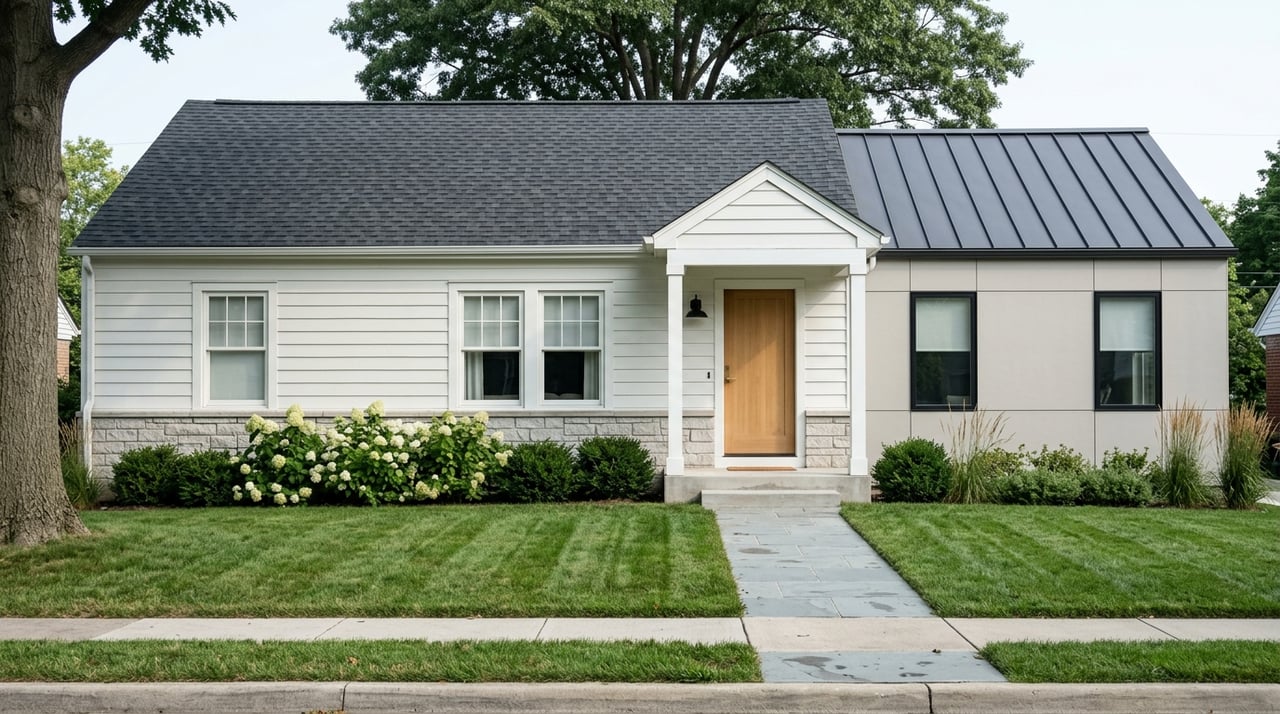
Wondering whether a starter home or a new build makes more sense in Suffolk County? You are not alone. In a market where many homes are older and new construction is relatively limited, the right choice often comes down to your budget, repair tolerance, and how much certainty you want after closing. This guide will help you compare both options in practical terms so you can move forward with more confidence. Let’s dive in.
Suffolk County market reality
Suffolk County is a largely owner-occupied market with 582,894 housing units and an 82.2% owner-occupied rate, according to the U.S. Census Bureau. The same data shows a median owner-occupied home value of $578,400 and 1,407 building permits in 2024, which points to a mature housing market with far more resale homes than newly built ones.
That matters when you are comparing a starter home to a new build. In many cases, you are not choosing between two similar homes at the same price point. You are often comparing an older, lower-cost resale home with a newer home that may start at or above the broader county median.
Recent market data supports that gap. OneKey MLS reported a Q4 2025 single-family median sales price of $675,000 in Suffolk County, with an affordability index of 81, as shown in its county market report. For many buyers, that means affordability is already tight before you add upgrades, HOA fees, or repair costs.
Starter homes in Suffolk County
Starter homes usually appeal to buyers who want the lowest possible entry point into the market. In Suffolk County, that often means shopping among older homes in established residential areas, where the housing stock may offer more variety in lot size, layout, and location.
There is one big factor to keep in mind: most of Suffolk County’s housing is older. The county’s 2025-2029 Consolidated Plan says 73% of owner-occupied housing was built before 1980. The same report describes much of the housing stock as aging and in need of maintenance or rehabilitation.
That does not make a starter home a bad choice. It simply means your lower purchase price may come with future costs tied to systems, updates, and repairs.
Why buyers choose starter homes
Starter homes can make sense if you want:
- A lower purchase price than many new-build options
- A home in an established area
- Potentially more mature surroundings and built-out services nearby
- Flexibility to update the property over time
For some buyers, that tradeoff is worth it. You may be able to get into the market sooner and improve the home gradually instead of paying a premium upfront.
What to watch in an older home
Because so much of Suffolk’s housing stock is older, condition matters just as much as price. The county’s Consolidated Plan notes maintenance needs in older homes and highlights lead-based paint concerns in homes built before 1978.
If you are considering a starter home, pay close attention to:
- Roof age
- HVAC age
- Water heater condition
- Electrical updates
- Plumbing condition
- Window quality
- Drainage issues
- Insulation levels
- Septic history, if applicable
If the property is on septic, records can be especially important. Suffolk County Health Services notes that septic records may exist for a single-family home if it was constructed in 1973 or later, and you can review that guidance through the county’s common issues and questions page.
New builds in Suffolk County
New construction offers a different kind of value. Instead of a lower entry price, you are often paying for newer systems, fewer immediate repairs, and a more predictable ownership experience right after move-in.
The challenge in Suffolk County is that new-home supply is limited and pricing varies widely. NewHomeSource data for the Nassau-Suffolk area shows 22 new-home communities, with a starting price of $615,000 and an average price of $1,166,611. It also notes that listed prices are base prices and that options and upgrades cost extra.
That is a major point for buyers. A new build that looks close to your budget online may become much more expensive once you add design selections, lot premiums, or community fees.
Why buyers choose new builds
A new build may be the better fit if you want:
- Newer systems and materials
- Lower short-term repair risk
- A more move-in-ready experience
- Modern layouts and finishes
- Greater cost predictability for maintenance in the early years
For buyers with limited time or limited appetite for renovation, this can be very appealing.
What to watch in a new build
Even though a new home may reduce repair surprises, it brings its own due diligence. Suffolk County’s final approval checklist for residential projects outlines documentation that may be needed before final approval, including inspections, as-built plans, installer certifications, and water or sewer-related approvals where relevant.
That means a new-build purchase is not only about finishes and floor plans. It is also about making sure the home has completed the required approval process and that the documentation is in place.
Before you commit, ask for:
- A line-by-line list of base-price inclusions
- Upgrade pricing
- Any lot premium details
- Estimated property taxes after assessment
- HOA dues, if any
- Final approval status
- As-built survey
- Sewer or well approvals, where applicable
- Installer certifications
- Any operations and maintenance agreement tied to onsite wastewater treatment
Comparing monthly costs
The purchase price is only part of the story. In Suffolk County, monthly carrying costs can shift quickly based on taxes, fees, and maintenance needs.
An older starter home may cost less upfront, but you may face repairs soon after closing. A new build may reduce those early repair costs, but your monthly payment could be higher because of a higher purchase price, HOA dues, or upgrade costs rolled into your financing.
Property taxes can also change the math more than buyers expect. New York State advises buyers to ask the local assessor for a property-tax estimate and review STAR eligibility. STAR exemption amounts vary widely across Suffolk County towns, which means the monthly cost of ownership can look very different depending on where you buy.
Commute and daily lifestyle
In Suffolk County, your choice is also about how you want to live day to day. Some buyers prioritize an established setting that already feels complete. Others prefer a newer home with less maintenance, even if the surrounding environment is still evolving.
Rail access can be part of that decision. The MTA Port Jefferson Branch timetable shows service options to Jamaica, Penn Station, and Grand Central, though convenience varies by location and branch.
In practical terms, older resale areas may offer a more built-out feel, while new communities may offer a more planned environment and community amenities. The best option depends on whether you value neighborhood maturity or newer construction more.
Which option fits you best?
There is no one-size-fits-all answer in Suffolk County. The better choice depends on how you weigh entry price, monthly cost, repair risk, and convenience.
A starter home may be your better fit if you want a lower purchase price, prefer an established residential area, and are comfortable budgeting for updates or repairs. A new build may be the smarter move if you want newer systems, fewer near-term maintenance concerns, and a cleaner move-in experience, even if it means paying more upfront.
The key is to compare the full cost of ownership, not just the list price. In Suffolk County, that means looking closely at age, condition, taxes, approvals, fees, and how the home fits your daily routine.
If you want help weighing starter homes versus new builds in Suffolk County, Marty Vandenburg can help you compare options, understand the tradeoffs, and make a move that fits your goals.
FAQs
What is the main difference between starter homes and new builds in Suffolk County?
- Starter homes usually offer a lower purchase price but may come with older systems and repair needs, while new builds often offer newer materials and fewer immediate maintenance issues at a higher price.
Are new builds more expensive than starter homes in Suffolk County?
- Often, yes. Research for the Nassau-Suffolk area shows new-home communities starting at $615,000 with much higher averages, and base prices may not include upgrades or lot premiums.
What should you check before buying an older Suffolk County starter home?
- You should review the age and condition of the roof, HVAC, plumbing, electrical, windows, drainage, insulation, and septic records, along with whether past improvements were properly permitted.
What should you ask before buying a new build in Suffolk County?
- You should ask what is included in the base price, what upgrades cost extra, whether HOA dues apply, what taxes may look like after assessment, and whether final approvals and required documentation are complete.
Do property taxes vary a lot in Suffolk County?
- Yes. New York State notes that buyers should request local tax estimates and review STAR eligibility because tax-related costs and exemptions can vary widely by town.