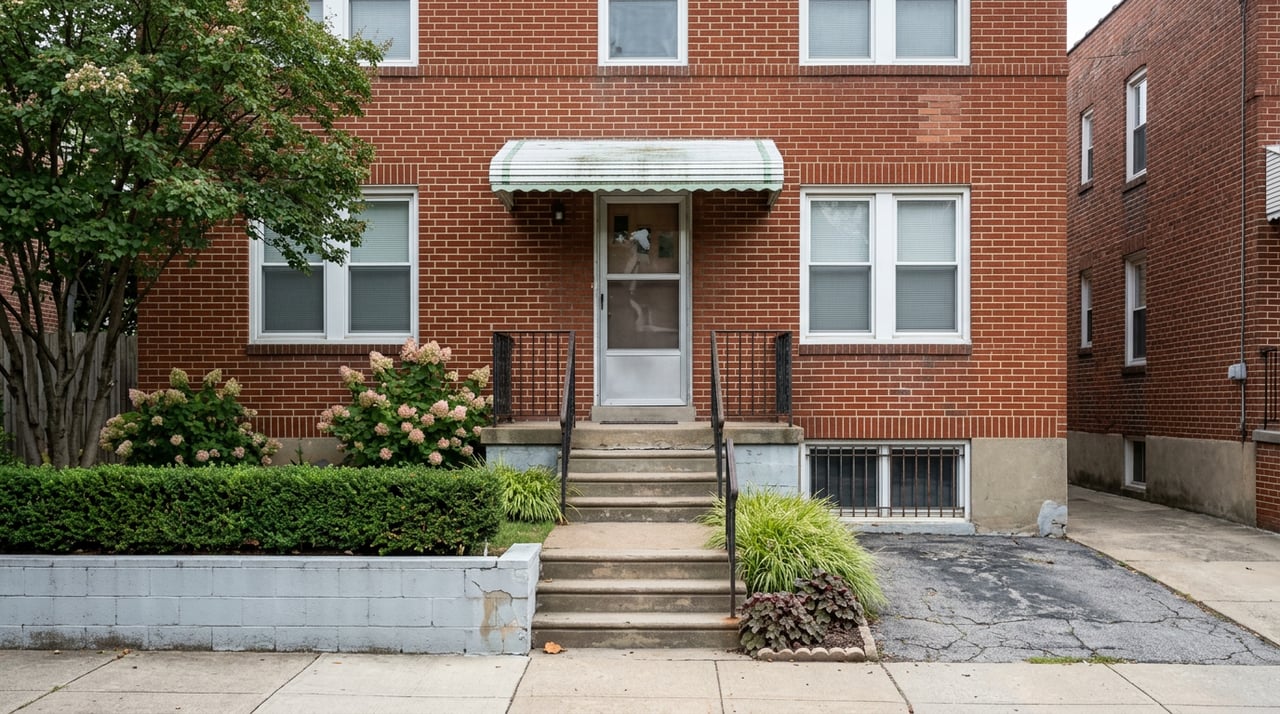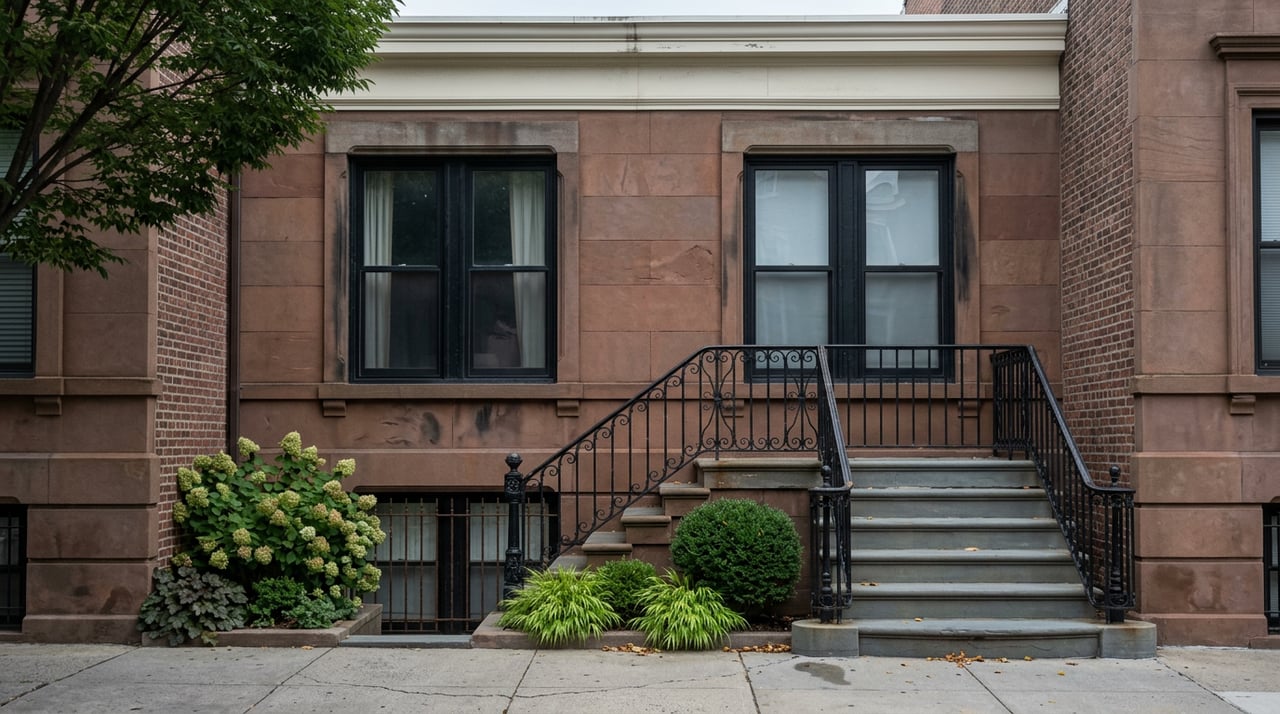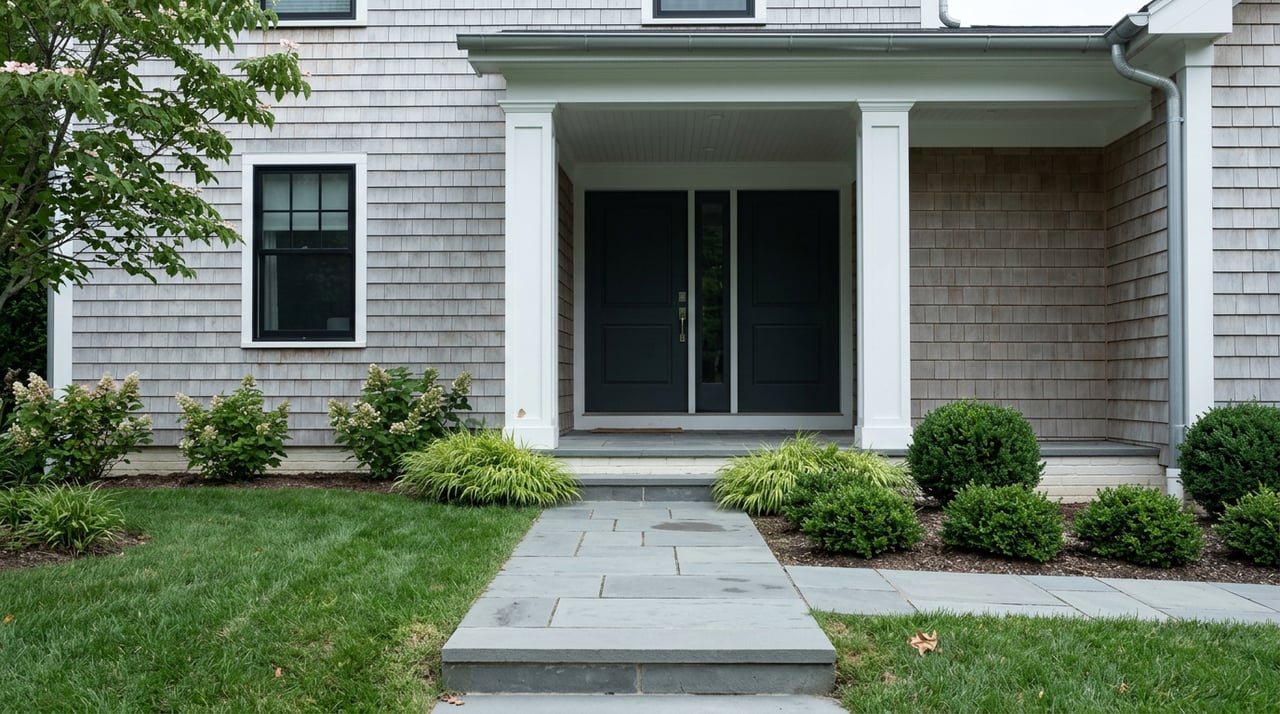
You find two houses in Nassau County listed at nearly the same price, a few blocks apart, similar lot size, same school district boundary line running somewhere nearby. Why does one carry a property tax bill twice the size of the other?
The answer usually has nothing to do with the house. It has to do with a border most listing sheets never mention: whether the address sits inside one of Nassau County's 64 incorporated villages or in an unincorporated hamlet that isn't part of any village at all.
That distinction is easy to miss because it doesn't show up on a map the way a town line does. It doesn't appear in the headline median price everyone quotes either. In May 2026, the median single-family sale price across Nassau County reached $890,000, up 9.9 percent from a year earlier, with single-family inventory down 7.3 percent and homes taking a median of 51 days to sell, compared with 45 days the year before, according to OneKey MLS data. That figure is real and useful for sizing up the market. It also tells you nothing about which side of a village line a given $890,000 house sits on, and that line changes what you'll actually pay to live there.
What incorporation actually buys, and costs
An incorporated village in New York is its own small government, run by an elected board of trustees with authority to set its own budget, zoning code, and in many cases its own police and public works. Nassau County has 64 of them, all sitting inside just three towns, representing roughly 475,000 residents according to the Nassau County Village Officials Association, the group that has coordinated village governments here since 1925.
If your address falls inside one of those 64 villages, you get a village tax bill in addition to your town, county, and school taxes. If it doesn't, you skip that bill entirely, because there isn't one to send. An unincorporated hamlet like Roosevelt or Levittown pays into the Town of Hempstead's general fund and gets town-level services. A village resident pays into both the town and their own village government, which is often running a parallel version of the same services on a smaller scale.
That layering is exactly why two similarly priced homes can carry very different total costs. Nassau-wide tax bills range from around $853 in Freeport up to roughly $9,673 in Kings Point, where the median home price sits near $3,942,000. Zoom out further and the pattern holds at scale: Old Westbury, Mill Neck, and Kings Point run tax bills at two to three times the county average, while Far Rockaway and Glen Cove sit near the low end.
None of this means incorporation is a bad deal. Villages that run their own police departments and public works crews are doing that instead of leaning entirely on county services, and residents who value that level of local control often say it's worth the extra line item. The point for a buyer is narrower: that line item exists in some places and not others, and it's invisible until you go looking for it.
The village tax is smaller than you'd think, which is the trap
Here's where it gets counterintuitive. In the Village of Sands Point, village government has explained to residents that the village portion of a full tax bill is only about one fifth of the total. The rest comes from school, library, town, county, and Nassau County Police Headquarters taxes, the same categories that show up on an unincorporated homeowner's bill too.
That's a useful check on the size of the effect. The village line doesn't multiply your tax bill by itself. What it does is add one more taxing authority on top of a stack that everyone in Nassau already pays into, and in villages with higher property values, that added authority is levying against a much bigger assessed base. A homeowner comparing two listings by looking only at the county-wide median price is comparing two very different tax stacks and calling it one number.
School taxes remain the largest single share of most Nassau tax bills regardless of village status, which matters for a different reason: buyers sometimes assume that avoiding an incorporated village guarantees a lower total bill, and that isn't automatically true. An unincorporated home in a higher-taxing school district can easily out-cost a village home in a lower-taxing one. The village line is one variable in the total, not the whole story, and treating it as the whole story is its own mistake.
Why this catches buyers mid-contract, not before
Most Nassau buyers discover this after they've already fallen for a house, when they're staring at a tax bill that doesn't match the seller's disclosure or a neighbor's number two doors down. That's a timing problem, not an information problem. The facts are public. They're just split across separate rolls.
Nassau's own assessment process makes the split explicit. If you live in a village or city, that municipal government maintains its own tax rolls, separate from the county's. You'd file separately for an exemption on city or village taxes, and separately again to challenge a village or city assessment, according to the county's own guidance on assessment procedures. The grievance calendar reflects the same split: several villages, including Freeport, Great Neck Plaza, Kensington, Russell Gardens, Saddle Rock, and Thomaston, run their own tax grievance deadlines that don't line up with the county's window, and the City of Long Beach has its own deadline as well.
A buyer who assumes "Nassau County property tax" means one system, one calendar, one appeal process is going to be surprised twice: once by the bill, and again by the paperwork.
A short checklist before you get attached to a listing
- Ask whether the address is inside an incorporated village or an unincorporated hamlet before you tour a second time. It's a one-line question to a listing agent and it changes the math.
- Request the full tax breakdown, not just the total on the listing sheet. Nassau splits school, town, county, and village taxes into separate bills, and the total obscures which authority is driving the number.
- Ask what the village tax actually funds in that specific village. Some run their own police and sanitation. Others contract those services out. The bill can look similar for very different reasons.
- Check whether that village has its own assessment grievance deadline. If you plan to challenge an assessment after closing, missing a village-specific window means waiting a full year for the next one.
A few direct questions
Does living in an incorporated village mean better services than an unincorporated hamlet? It means different services, run by a different level of government. Some villages maintain their own police departments and public works crews. Unincorporated areas rely on the town and county for the same functions. Neither structure is inherently better, and the right one depends on what a buyer values, not on the price tag alone.
If I buy in an unincorporated hamlet, am I guaranteed a lower total tax bill? No. School district taxes make up the largest share of most Nassau bills, incorporated or not, so a home in an unincorporated hamlet inside an expensive school district can still carry a heavier total bill than a home in a modestly priced village. The village line is one factor, not the deciding one.
Are village tax grievance deadlines really different from the county's? In several cases, yes. Freeport, Great Neck Plaza, Kensington, Russell Gardens, Saddle Rock, and Thomaston each run separate grievance windows from the county's typical schedule, and the City of Long Beach does too. Anyone planning to challenge an assessment after purchase should confirm the specific deadline for that address rather than assuming the countywide date applies.
Does mortgage math change any of this? Not the village question, but it's worth keeping in view alongside it. Freddie Mac's Primary Mortgage Market Survey put the 30-year fixed rate at 6.43 percent as of July 2, 2026, down slightly from the prior week. A higher total tax bill from an incorporated village raises the monthly carrying cost the same way a higher rate would, so it belongs in the same affordability conversation as the mortgage quote, not a separate one.
The median price gets you in the neighborhood of what a Nassau County home costs. Which side of a village line it sits on gets you closer to what it actually costs to own. If you're comparing listings and want a clearer read on how the village and school tax layers stack up for a specific address, Marty Vandenburg can walk through the full breakdown with you and help you get a free home valuation before you make an offer.