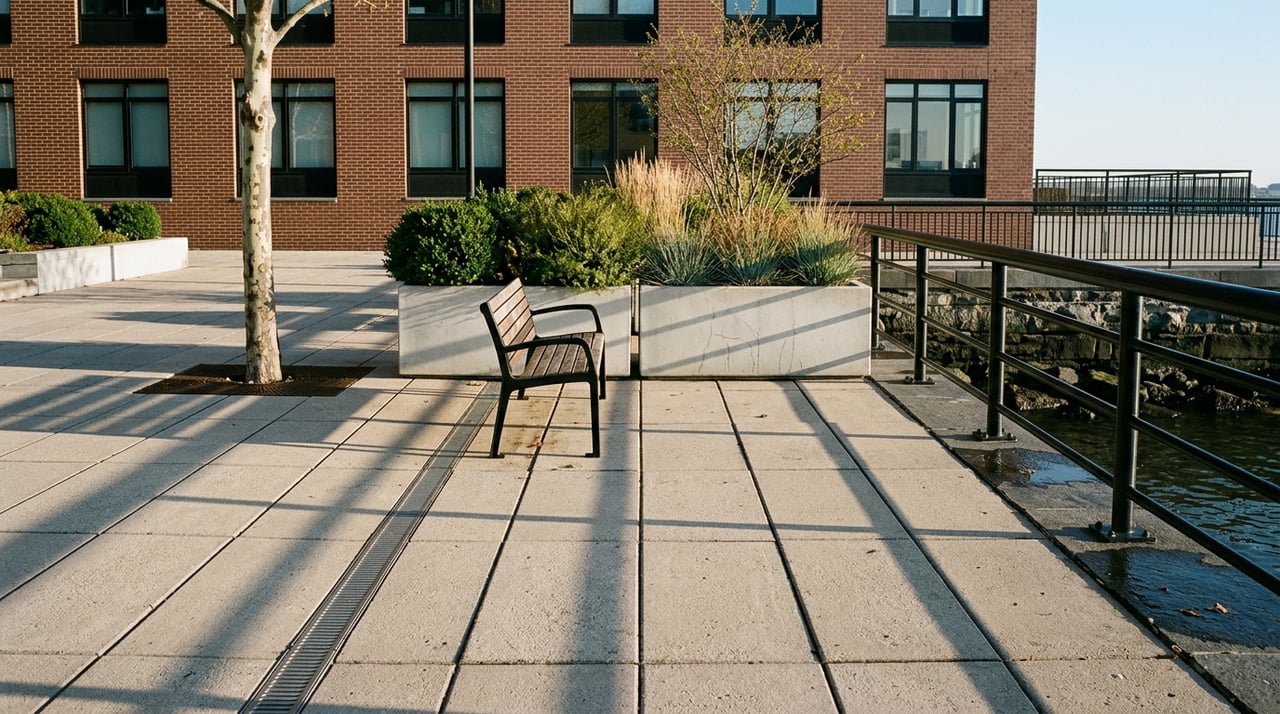
If you picture Brooklyn waterfront living as one single lifestyle, you may be surprised by what you actually find. In Kings County, life by the harbor changes a lot from one area to the next, from polished park space in Brooklyn Heights and DUMBO to neighborhood-scale waterfronts in Greenpoint and Williamsburg to the more working-harbor feel of Red Hook and Sunset Park. If you are thinking about buying, selling, or simply learning what daily life looks like near the water, this guide will help you understand the routines, tradeoffs, and local character that shape the experience. Let’s dive in.
What Waterfront Living Means in Brooklyn
Brooklyn’s waterfront is not one long, uniform stretch with the same pace, access, or feel. It is a series of different everyday environments shaped by parks, former industrial shorelines, ferry landings, transit options, and the simple reality that each neighborhood uses the water differently.
That matters if you are trying to match your home search to your real life. Some buyers want long promenades, open lawns, and quick transit connections. Others want a more mixed-use setting where the waterfront feels quieter, more local, or more tied to Brooklyn’s harbor history.
Brooklyn Bridge Park Life
Brooklyn Bridge Park is one of the clearest examples of daily waterfront living in Brooklyn. The park stretches about 1.3 miles along the East River, covers 85 acres, and sits on a former industrial shoreline that has been turned into an expansive public open space.
For everyday routines, that scale makes a difference. The park is open seven days a week from 6 AM to 1 AM, entry is free, and the mix of lawns, promenades, gardens, and sports areas gives you plenty of ways to use the shoreline without needing to plan a full outing.
Everyday Activities by the River
If you live near Brooklyn Bridge Park, the waterfront can become part of your normal week, not just your weekend plans. The park includes opportunities for biking, birding, fishing, kayaking, pickleball, roller skating, soccer, and volleyball.
That variety gives the area a flexible lifestyle appeal. You might use the waterfront for a morning walk, an afternoon bike ride, or an easy evening outside after work, depending on the day and the season.
Pier 1 and Daily Routine
Pier 1 helps show why this part of the waterfront feels practical as well as scenic. It includes large lawns, a playground, a waterfront promenade, and tree-lined paths that support low-key habits like meeting friends, taking a walk, or spending time outdoors close to home.
For many buyers, that is the real draw of living near the harbor. It is not just about views. It is about having usable public space woven into your day-to-day routine.
How Neighborhood Feel Changes
One of the biggest things to know about waterfront living in Brooklyn is how quickly the atmosphere can shift. Even within Kings County, the waterfront experience can feel polished, residential, mixed-use, quiet, or industrial depending on where you are.
That block-by-block difference is important if you are deciding where to focus your search. A harbor view may matter, but so do transit, nearby park access, the pace of the streets, and how the area feels on a normal weekday.
Brooklyn Heights and DUMBO
Brooklyn Heights and DUMBO offer a more polished and destination-oriented waterfront setting. Brooklyn Bridge Park sits at the center of the experience, with skyline and harbor views, extensive open space, and access to nearby dining in Brooklyn Heights, DUMBO, Downtown Brooklyn, the Atlantic Avenue BID, and the Montague Street BID.
Transit is also a major strength here. The area is served by A/C, 2/3, 4/5, F, and R trains, along with buses, Citi Bike, and NYC Ferry, which gives residents multiple ways to move through the city without relying on a car.
Greenpoint and Williamsburg
Greenpoint and Williamsburg offer a different kind of waterfront life. Here, the feel is more neighborhood-scale and mixed-use, with smaller parks and public waterfront spaces that blend into daily residential life.
WNYC Transmitter Park in Greenpoint includes a lawn, spray showers, sand-and-water play, a restored tidal wetland, and a recreational pier with skyline views. Nearby, the Newtown Creek Nature Walk offers a self-guided waterfront promenade that is open dawn to dusk and is handicapped accessible.
In Williamsburg, Bushwick Inlet Park serves as a major public waterfront space with a multipurpose field, playground, viewing platform, and public access to the shoreline. Together, these spaces make the Greenpoint and Williamsburg waterfront feel active but still closely tied to the surrounding neighborhood streets.
Red Hook and Sunset Park
Red Hook and Sunset Park keep more of the working-waterfront texture. These areas feel more closely connected to Brooklyn’s harbor and industrial history, which creates a different pace and visual character than the more park-centered sections farther north.
Valentino Pier in Red Hook includes fishing access and kayak or canoe launch access on a once-industrial shoreline. In Sunset Park, Bush Terminal Piers Park combines an esplanade, tide ponds, restored wetlands, and sports fields within a former port complex that now functions as both natural space and public recreation area.
Getting Around From the Waterfront
For many Brooklyn waterfront residents, the harbor is not just part of the view. It can also be part of the commute. That is one of the practical advantages that sets some waterfront neighborhoods apart.
Still, transit looks different depending on which stretch of shoreline you choose. Some areas are subway-rich, while others rely more on a combination of ferry, bus, bike, and subway connections.
Ferry as a Real Commute Option
NYC Ferry is a genuine transportation tool for many waterfront neighborhoods in Brooklyn. The system connects waterfront communities across the city and links riders to job centers, outdoor destinations, cultural sites, and other neighborhoods.
The East River route links DUMBO, South Williamsburg, North Williamsburg, Greenpoint, Midtown, and the Financial District. The South Brooklyn route links Atlantic Ave at Brooklyn Bridge Park Pier 6, Red Hook, Sunset Park, Bay Ridge, and related landings.
Current fares listed by the system include $4 adult one-way rides, $27.50 ten-trip passes, free transfers, and 120-minute validity. For some residents, that makes ferry access a practical part of car-light living rather than a once-in-a-while extra.
Subways, Bikes, and Daily Mobility
Subway access is strongest around Brooklyn Heights and DUMBO. Nearby stations include High St, Jay St-MetroTech, York St, and other stations that connect to A/C/F/R and 2/3/4/5 service.
Greenpoint is anchored by the G line, while Williamsburg is closely tied to the L line at Bedford Avenue. In many waterfront areas, people use a layered mix of subway, bus, bike, and ferry rather than depending on one single option.
Parking can also be part of the equation. Around Brooklyn Bridge Park, parking is limited enough that the park encourages public transportation, which is helpful to know if you are comparing car-light living with a setup that depends more on driving.
Dining, Weekends, and Open Space
One reason waterfront living appeals to so many buyers is the balance between city energy and breathing room. In Brooklyn, many waterfront areas offer access to restaurants and local businesses while still giving you a sense of openness that can be harder to find farther inland.
Near Brooklyn Bridge Park, concessions include Fornino, Pilot, Luke’s Lobster, Van Leeuwen, Breads Bakery, and High Tide, with additional nearby dining options in Brooklyn Heights and DUMBO. That makes it easy to pair a walk on the waterfront with a casual meal or coffee without leaving the neighborhood context.
In Red Hook, the waterfront experience connects with the commercial life of Van Brunt Street, which NYC Parks describes as having a growing number of independent shops, restaurants, and businesses. That creates a more local, harbor-facing rhythm where public space and neighborhood commerce sit close together.
The Practical Side of Waterfront Living
As appealing as harbor living can be, the practical side matters too. In Brooklyn, one of the biggest non-lifestyle factors to understand is flood exposure.
New York City flood map guidance shows that properties may fall into different flood zones, including high-risk and moderate-risk areas. The city also notes that coastal flood risk varies by neighborhood and topography and is projected to increase with climate change.
That does not mean every waterfront property carries the same level of risk. It does mean that buyers should look closely at the specific location of a property, and sellers should understand how a home’s setting may shape buyer questions and due diligence.
Why Location Details Matter
A waterfront address can mean very different things depending on elevation, nearby infrastructure, and the shape of the shoreline. Two homes in the same broad neighborhood may not have the same flood considerations, which is why local, property-specific context matters more than broad assumptions.
The city is also working on coastal resiliency efforts, including Red Hook Coastal Resiliency, aimed at reducing storm-surge and sea-level-rise risk while preserving neighborhood access. For buyers and sellers, that adds an important planning layer to the waterfront conversation.
Which Brooklyn Waterfront Fits You
The best Brooklyn waterfront lifestyle depends on what you want your ordinary week to look like. If you want expansive park space, strong transit access, and a polished public waterfront, Brooklyn Heights and DUMBO may feel like the strongest fit.
If you prefer a mixed-use neighborhood feel with smaller public waterfront spaces and ferry access woven into everyday life, Greenpoint and Williamsburg may stand out. If you are drawn to a more rugged harbor setting with working-waterfront texture, Red Hook and Sunset Park offer a different kind of connection to the shoreline.
That is why local guidance matters. Waterfront living in Kings County is less about a single label and more about finding the stretch of Brooklyn that matches your pace, priorities, and housing goals.
Whether you are buying near the harbor, preparing to sell a waterfront-adjacent property, or comparing neighborhoods across Brooklyn, working with a local team can help you look beyond the view and focus on the details that shape daily life. If you want thoughtful guidance backed by local market knowledge, connect with Marty Vandenburg.
FAQs
What is everyday waterfront living like in Brooklyn?
- Everyday waterfront living in Brooklyn depends on the neighborhood, but it often includes access to promenades, parks, ferry service, open space, and harbor views as part of your normal routine.
What parks define waterfront living in Kings County?
- Key waterfront parks include Brooklyn Bridge Park, WNYC Transmitter Park, Bushwick Inlet Park, Bush Terminal Piers Park, Valentino Pier, and the Newtown Creek Nature Walk.
What Brooklyn waterfront neighborhoods have the strongest transit access?
- Brooklyn Heights and DUMBO have especially strong transit access, with multiple subway lines, bus routes, Citi Bike access, and NYC Ferry connections.
Is NYC Ferry useful for Brooklyn waterfront commuting?
- Yes, NYC Ferry can be a practical commuting option in waterfront neighborhoods such as DUMBO, Williamsburg, Greenpoint, Red Hook, and Sunset Park.
What should buyers know about flood risk near the Brooklyn waterfront?
- Buyers should know that flood exposure varies by neighborhood and topography, and that specific properties may fall into different flood zones based on their exact location.
How do Red Hook and Sunset Park differ from DUMBO and Brooklyn Heights?
- Red Hook and Sunset Park tend to have a more working-waterfront character, while DUMBO and Brooklyn Heights feel more polished, park-oriented, and transit-rich.