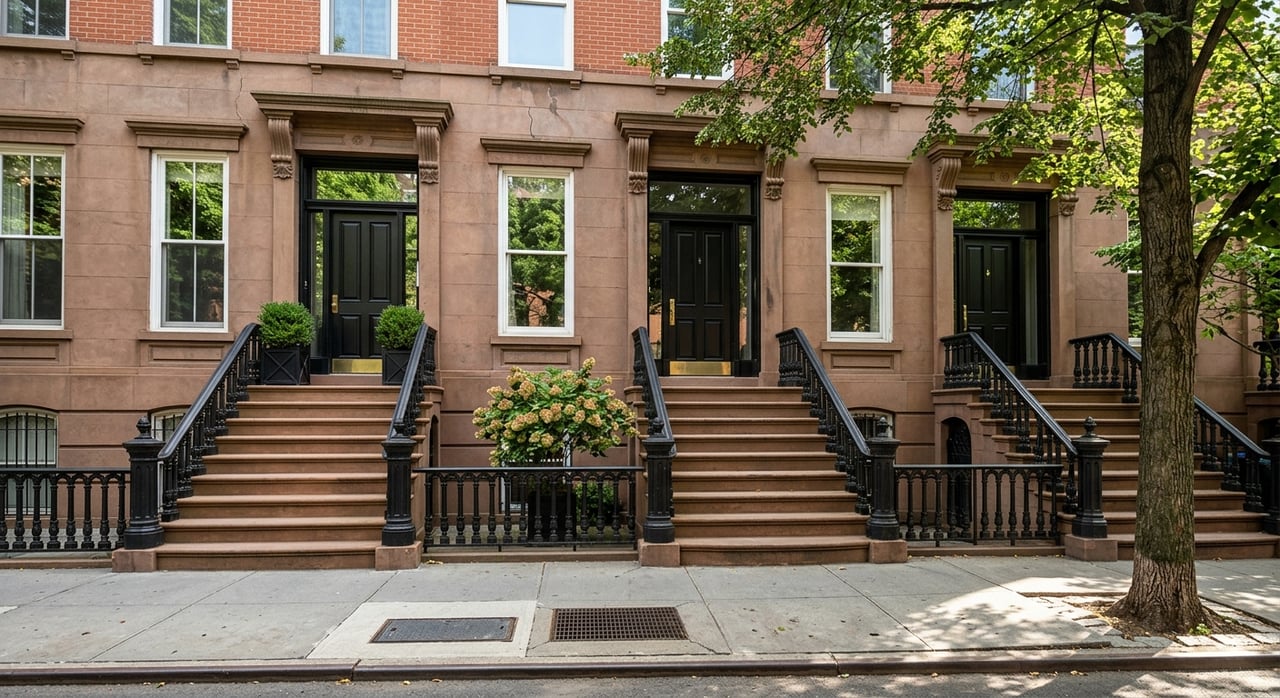
Dreaming about life on a classic Brooklyn brownstone block? It is easy to picture the stoop, the tree-lined street, and the sense that every block has its own rhythm. If you are thinking about buying in Kings County, understanding what daily life really feels like can help you choose the right neighborhood and set the right expectations. Let’s dive in.
What a Brownstone Block Feels Like
A classic Brooklyn brownstone block usually feels calm, residential, and close-knit. These streets are typically low-rise, with rowhouses and townhouses lining the block instead of storefronts and heavy commercial activity. The pace often feels shaped by stoops, front gardens, street trees, bikes, dogs, and people coming and going throughout the day.
One of the biggest surprises for buyers is that these blocks often feel quieter than the nearby avenues. You may see neighbors talking outside, strollers parked near stoops, or people sitting on front steps in the evening. That street-level activity creates a lived-in, welcoming feel without making the block feel busy.
Why the Stoop Matters
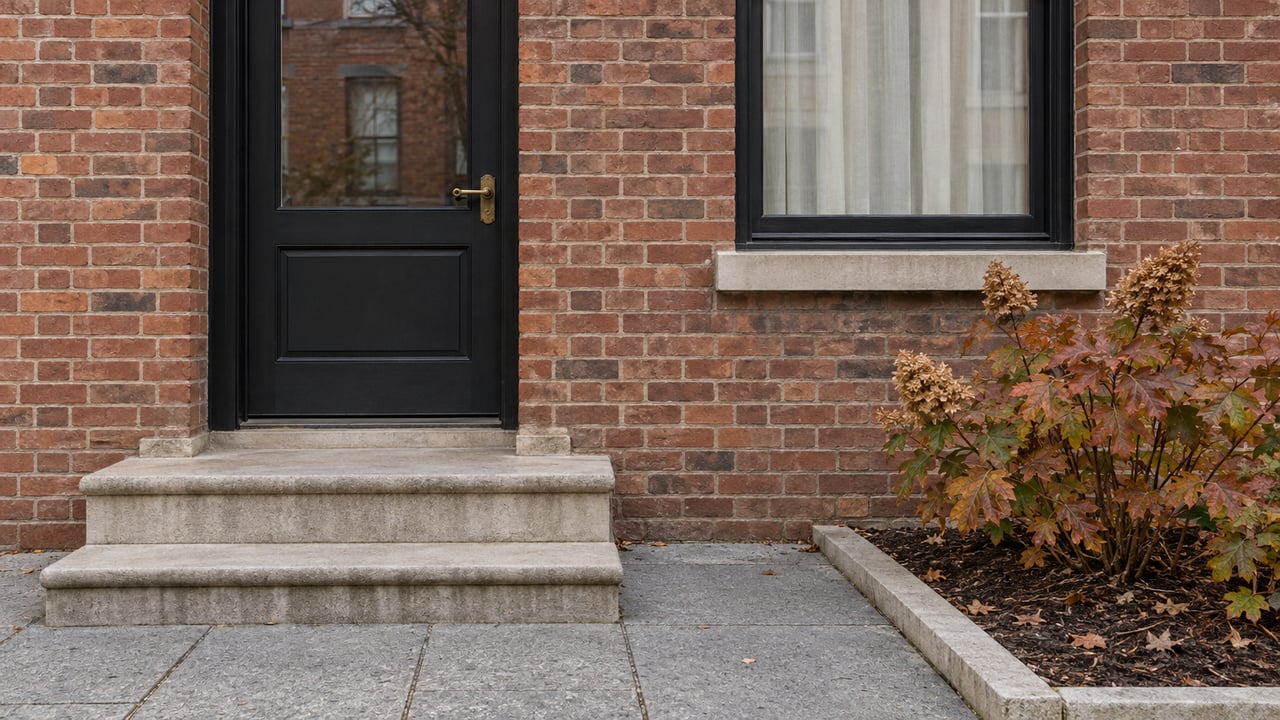
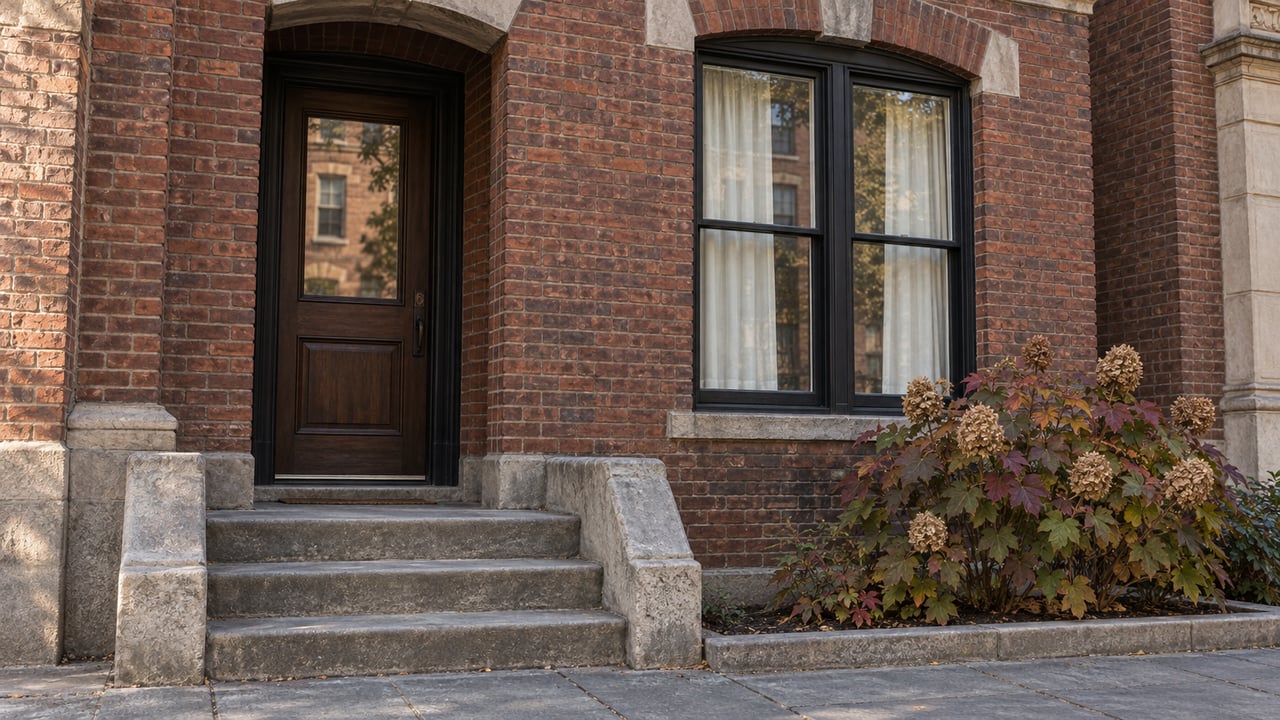
In Brooklyn rowhouse life, the stoop is more than a set of steps leading to the front door. It helps shape how people use the block and interact with the street. That is part of why brownstone blocks often feel so distinct from other parts of the city.
The rowhouse format also gives many blocks a strong sense of visual rhythm. Repeating facades, front steps, and trees can make the streetscape feel cohesive even when the homes vary in details and finishes. In many historic districts, that consistency is part of what people love most.
Where Daily Life Happens
Most classic brownstone blocks are mainly residential, so everyday errands and social activity usually happen on nearby commercial corridors. That means your block may feel quiet, while a short walk away you find coffee shops, restaurants, bookshops, and small retailers.
This pattern shows up across brownstone Brooklyn. In Prospect Heights, daily life often centers on Vanderbilt and Washington Avenues. In Boerum Hill, Bergen Street, Atlantic Avenue, and Smith Street are key corridors, while Cobble Hill revolves around Court Street and Fort Greene around DeKalb and Myrtle Avenues.
That split is part of the appeal. You can enjoy a peaceful home block and still have easy access to dining, shopping, and transit a short distance away.
Brownstone Architecture Is More Varied Than You Think
Not every classic Brooklyn brownstone block is made up of literal brownstone facades. Across Kings County, these streets often feature a mix of brick, brownstone, limestone, and other decorative stonework. What ties them together is the rowhouse form and the consistent scale of the street.
Many rowhouses are three to five stories tall, and buyers often notice details like bay windows, cornices, carved woodwork, and original masonry trim. In neighborhoods like Carroll Gardens, deep front gardens are part of the visual identity. In Park Slope, the appeal often comes from well-designed masonry homes on tree-lined residential streets.
You may also find more variety in the housing stock than expected. Alongside single-family townhouses, some blocks include flats buildings, carriage houses, converted schoolhouses, and church conversions. That mix can give each neighborhood a slightly different feel.
Historic District Rules Matter
If you are looking at a home in one of Brooklyn’s well-known brownstone areas, landmark rules may be part of the picture. Many of the most recognizable blocks sit within official historic districts, including Park Slope, Carroll Gardens, Boerum Hill, Clinton Hill, and Fort Greene.
That matters because exterior changes on designated properties often require review and permits from the Landmarks Preservation Commission. Facade work, window changes, and other exterior alterations may not be as simple as they would be outside a historic district. For buyers, this is less about discouragement and more about knowing what ownership involves.
What Buyers Often Notice First
When you tour homes on classic brownstone blocks, a few themes tend to stand out right away:
- Character details often matter as much as square footage.
- Older housing stock can mean fewer elevators and amenity-heavy buildings, especially in places like Carroll Gardens.
- Layout and scale vary more than online photos may suggest.
- Block feel can differ a lot even within the same neighborhood.
For many buyers, that charm is exactly the point. But it is helpful to balance the romance of the architecture with practical questions about condition, upkeep, and how the home fits your daily routine.
Price Snapshot Across Brownstone Brooklyn
Brownstone Brooklyn covers a wide price range, and the term itself can describe very different markets. A spring 2026 snapshot suggests that some neighborhoods sit in the low $1 million range, while others are solidly in the low-to-mid $2 million range, with standout townhouses often trading much higher.
Here is a simplified look at the current landscape:
| Neighborhood | Approximate Median Price |
|---|---|
| Clinton Hill | $1.075M to $1.14M |
| Bed-Stuy | $1.3M |
| Prospect Heights | $1.3M |
| Park Slope | $1.7M |
| Fort Greene | $1.7M |
| Boerum Hill | $1.9M |
| Carroll Gardens | $2.3M |
| Cobble Hill | $2.5M |
These figures are snapshots, not fixed rules. Within each neighborhood, pricing can shift significantly based on property type, condition, block, and whether the home is a townhouse, co-op, condo, or smaller apartment in a historic building.
Where the Market Feels More Accessible
If you love the brownstone look but want more approachable entry points, Clinton Hill, Bed-Stuy, and Prospect Heights tend to be the more accessible parts of this market based on current snapshots. These neighborhoods still offer historic housing stock and recognizable Brooklyn streetscapes, but often at lower median prices than Cobble Hill or Carroll Gardens.
That said, accessibility depends on what you are buying. A co-op or smaller apartment may create an entry point in one neighborhood, while a townhouse on a prime block may sit in a completely different price category. Looking only at neighborhood averages can miss that nuance.
Parks and Public Space Shape the Lifestyle
One reason brownstone Brooklyn remains so appealing is how easily residential streets connect to major public spaces. Prospect Park is a defining feature for many nearby neighborhoods. At 526 acres, it offers a zoo, an Audubon Center, an ice rink, a band shell, a carousel, and athletic facilities.
Fort Greene Park also plays an important role in daily life for nearby residents. It is known as a place where people walk dogs and use public basketball and tennis courts. Access to parks can make a major difference in how a neighborhood feels from morning to evening.
In Prospect Heights, the public realm has also been shaped by open-street corridors on Vanderbilt Avenue and Underhill Avenue. These areas add pedestrian space and support a more active street experience near the residential blocks.
Transit Is a Plus, but It Is Still a Trade-Off
Brownstone blocks work well for city living in part because transit is usually close by, even when the block itself feels tucked away. These neighborhoods are generally ringed by multiple subway stations, which supports the pattern of quiet residential streets near busier avenues and transit hubs.
Still, commute times vary and should be part of your decision. Park Slope trips to Midtown can reach 45 minutes depending on location, and Bed-Stuy rides to Manhattan are described as roughly an hour. That does not make one neighborhood better than another, but it does mean your daily routine should factor into your search.
Choosing the Right Brownstone Neighborhood
The best brownstone block for you depends on what you want your day-to-day life to look like. Some buyers prioritize proximity to Prospect Park. Others care most about having restaurant and retail corridors close by, or finding a more accessible entry point into the market.
It helps to think in terms of trade-offs instead of chasing a single ideal. A quieter block may sit farther from your favorite train line. A neighborhood with lower median pricing may involve a longer commute. A landmarked home may offer more character, but also more rules around exterior work.
What to Keep in Mind Before You Buy
Before you move forward, focus on both the home and the block. In brownstone Brooklyn, the street experience is a real part of what you are buying. Seeing a property at different times of day can help you understand the pace, noise level, and activity around the block.
It is also smart to ask practical questions early. You will want to understand whether the property is in a historic district, how the housing type fits your needs, and how the surrounding avenues support your daily routine. A great brownstone purchase usually comes from matching the neighborhood’s character to your real life, not just your wish list.
If you are weighing your options in Brooklyn, working with a local advisor can help you sort through block-by-block differences, price points, and property types with more confidence. When you are ready to explore brownstone living in Kings County, connect with Marty Vandenburg for trusted guidance and a high-touch buying experience.
FAQs
What is daily life like on a classic Brooklyn brownstone block?
- Daily life usually feels residential and calm, with stoops, trees, dogs, bikes, and neighbors out on the street, while busier restaurants and shops are often a short walk away on nearby avenues.
Are Brooklyn brownstone blocks usually quiet or busy?
- They are often both, with quieter side streets for residential living and more active commercial corridors nearby for dining, shopping, and everyday errands.
Do historic district rules affect Brooklyn brownstone homes?
- Yes, in designated historic districts, exterior changes often require review and permits from the Landmarks Preservation Commission.
Which Brooklyn brownstone neighborhoods are more affordable?
- Based on current market snapshots, Clinton Hill, Bed-Stuy, and Prospect Heights tend to be more accessible than higher-priced areas like Carroll Gardens and Cobble Hill.
What should buyers look for in a Brooklyn brownstone neighborhood?
- Buyers should look at block feel, nearby retail corridors, transit access, park access, housing type, and whether landmark rules may affect future exterior changes.